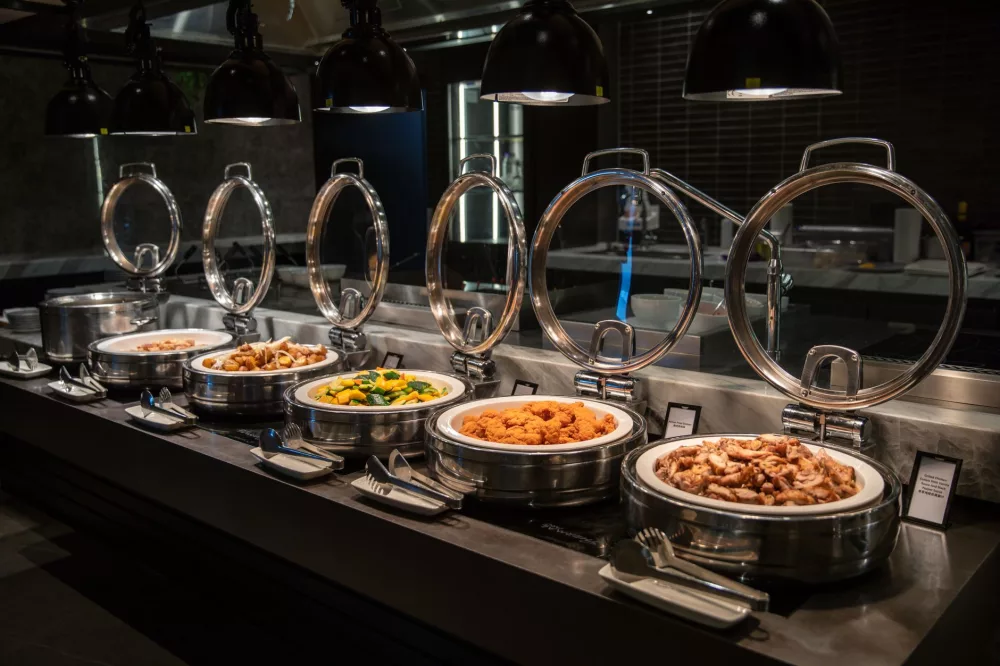
I've always found something uniquely captivating about the buffet. It's more than just a meal; it's an experience, a gastronomic adventure where choice reigns supreme. From the moment you step into a restaurant offering a buffet, a certain buzz fills the air, a quiet excitement about the seemingly endless possibilities laid out before you. For many of us, it conjures up images of celebration, family gatherings, or perhaps even a holiday indulgence. But what exactly is it about this particular dining format that continues to enthrall us?
A Glimpse into Buffet History: Where Did It All Begin?
When I think about buffets, my mind immediately jumps to sprawling tables laden with food. Interestingly, the concept isn't new at all. Its roots stretch back centuries, with various cultures contributing to its evolution. One of the earliest and most recognizable forms is the Swedish smörgåsbord, which translates literally to 'sandwich table.' Originating as a pre-dinner appetizer service, it evolved into a meal in its own right, presenting a diverse array of hot and cold dishes.
We also see echoes in the French 'buffet' itself, a term initially referring to a side cabinet or cupboard for displaying dishes. Over time, it came to describe the meal served from such a station. My research tells me that these early iterations, often found in aristocratic settings, were about showcasing wealth and culinary prowess, offering guests an opulent spread. I think it's fascinating how a practical serving method morphed into a global dining phenomenon.
The Irresistible Allure: Why We Can't Say No to a Buffet
So, why do we, as diners, gravitate towards the buffet? I believe it boils down to several key factors that tap into our intrinsic desires:
- Unmatched Variety: This is, without a doubt, the biggest draw. You don't have to commit to just one dish. Want a little pasta, some roasted chicken, a scoop of salad, and maybe a spring roll? Go right ahead! My own dining experiences suggest that having options feels incredibly liberating.
- Perceived Value: 'All-you-can-eat' is a powerful phrase. It often implies that you're getting a fantastic deal, especially if you have a hearty appetite. While the actual cost-per-person for the establishment is carefully calculated, for the diner, it often feels like a win.
- Instant Gratification: No waiting for your order to be taken, no long delays for cooking. The food is right there, ready to be enjoyed. I appreciate this immediacy, especially when I'm hungry.
- Social & Communal Experience: Buffets are inherently social. They encourage interaction as people move around, discuss options, and share their discoveries. It's a relaxed, informal setting that fosters conversation.
- Customization: You are the master of your plate. You control portion sizes, mix and match flavors, and even cater to specific dietary preferences by simply choosing what suits you. It’s a very personal way to dine, I think.
The Operator's Perspective: A Dance of Logistics and Strategy
Running a successful buffet is far from simple. It involves a sophisticated interplay of culinary skill, meticulous planning, and stringent operational protocols. As a business, you've got to balance tempting variety with fiscal responsibility and, most importantly, food safety. It's a high-stakes game, really.
Menu Planning and Preparation
I can only imagine the complexity involved in menu design. Establishments must consider:
- Diversity: Offering a wide range of cuisines and dietary options to appeal to a broad customer base.
- Cost Control: Balancing expensive items with more economical ones to maintain profitability.
- Holding Temperatures: Crucially, ensuring dishes can be held safely at appropriate hot or cold temperatures without compromising quality. This often dictates what can and can't be served.
- Volume Forecasting: Accurately predicting customer flow to minimize waste while ensuring sufficient supply. My experience tells me this is often one of the trickiest parts.
Operational Excellence: The Unseen Choreography
Behind the enticing display is a dedicated team constantly at work. I've observed that good buffet operations feel effortless, but that's precisely because of the immense effort behind the scenes.
Staff members are continually replenishing dishes, maintaining cleanliness around the serving stations, monitoring food temperatures, and clearing plates from tables. Food safety is paramount; I can't stress this enough. Cross-contamination prevention, proper utensil hygiene, and vigilant temperature control are non-negotiable. It's a constant, active process to ensure everything is up to standard, protecting diners' health.
Navigating the Buffet as a Diner: My Personal Approach
Over the years, I've developed a few strategies for maximizing my buffet experience. Perhaps you'll find them useful:
- Survey the Landscape First: Before grabbing a plate, I like to take a full walk-through. This helps me see all the options and plan my attack, so I don't fill up on less appealing items.
- Small Portions, Multiple Rounds: Instead of piling everything onto one plate, I prefer taking smaller portions of many different things. This allows me to sample more and go back for seconds of what I truly enjoy. Plus, it keeps the food on my plate fresher.
- Prioritize What You Can't Easily Make at Home: I often gravitate towards unique dishes, complex preparations, or premium ingredients that I wouldn't typically cook myself.
- Don't Be Afraid of the Salad Bar: It's easy to overlook, but a well-stocked salad bar can be a refreshing counterpoint to richer dishes.
- Mind Your Manners: We all share the buffet. I always use the serving utensils provided, avoid touching food directly, and try not to hover excessively, allowing others access.
The Buffet's Evolution: A Post-Pandemic Perspective
The global pandemic undeniably forced a reevaluation of the traditional buffet model. Concerns about hygiene and shared serving utensils led many establishments to innovate. I've seen a rise in assisted buffets, where staff serve diners, or the increased use of individual portioning and covered dishes. Some places even introduced QR code menus for ordering small, fresh plates to be delivered directly to the table, blending the buffet's variety with table service's safety.
I think these adaptations highlight the industry's resilience and its commitment to providing enjoyable dining experiences while prioritizing public health. It shows me that the core appeal of variety and choice remains strong, even if the delivery method needs to evolve.
Ultimately, the buffet holds a special place in the dining world. It's a complex operation that, when executed well, offers an unparalleled experience of culinary exploration and abundance. Whether it's for a casual lunch or a grand celebration, I believe the buffet will continue to adapt and thrive, bringing joy to countless diners who love the freedom of choice.