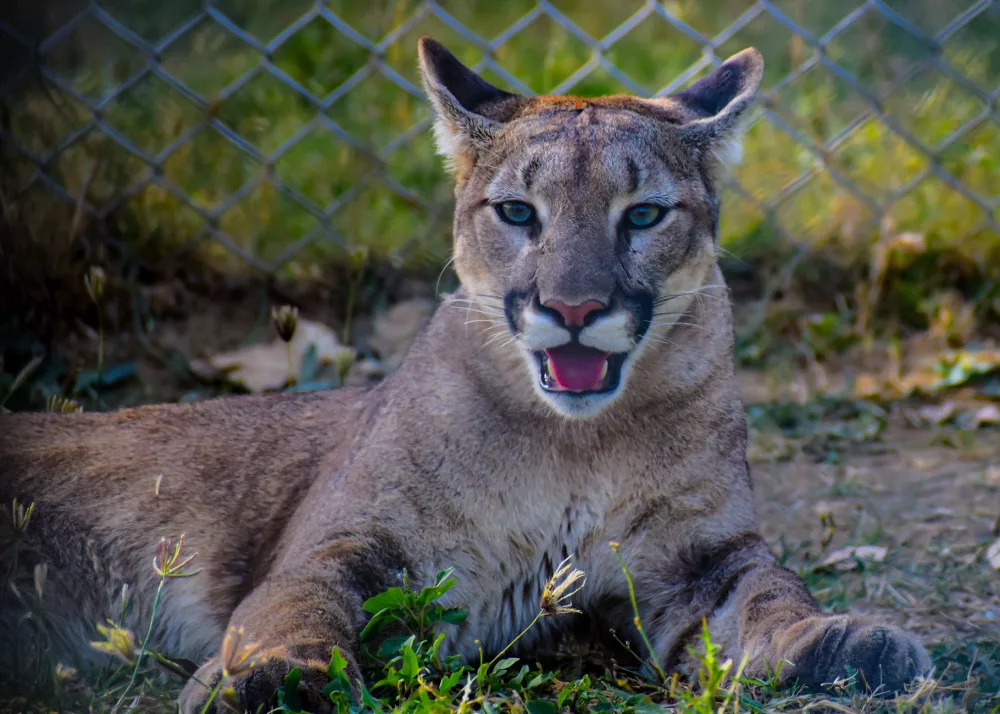
When I think about the raw, untamed beauty of North American wildlife, my mind often drifts to the puma, also known as the mountain lion or cougar. These incredibly adaptable and elusive big cats hold a special fascination for me, not least because of their mysterious lives. One of the most critical, yet often unseen, aspects of their existence is the puma den. It isn't just a simple hiding spot; it's a meticulously chosen sanctuary, a nursery, and a vital component of their survival strategy. For a species that roams such vast territories, the den offers a unique window into their most vulnerable moments.
The Crucial Role of the Puma Den
Imagine being a newborn puma cub, blind and helpless, weighing just a pound or so. You'd be utterly dependent on your mother for warmth, nourishment, and, most importantly, protection. That's exactly where the den comes in. It serves as an incubator, a safe haven from predators, and the foundational nursery for new life. Without a secure den site, a puma mother's chances of successfully raising her litter would plummet dramatically. It’s their first home, a place of safety where they can grow strong enough to face the dangers of the wild.
I find it absolutely fascinating how much thought, or perhaps instinct, goes into selecting these sites. It’s not a casual decision; it’s a matter of life and death for her cubs. The den shields them from harsh weather conditions – be it scorching summer sun, biting winter winds, or torrential rains. Think about the extremes these animals face across their extensive range, from the Canadian Rockies to the Patagonian Andes. A well-chosen den can mean the difference between a litter thriving and succumbing to exposure.
What Makes a Den Site Ideal?
So, what exactly does a puma look for in a prime den location? My research and observations suggest several key factors are at play, and they often speak to the sheer intelligence and survival instincts of these animals:
- Seclusion and Cover: This is probably the most significant factor. A good den is hidden away from potential threats, both human and animal. Dense vegetation, rock crevices, fallen logs, or thickets provide excellent camouflage. I've learned that they really prioritize privacy.
- Protection from Elements: As I mentioned, weather is a huge concern. Overhangs, caves, or dense undergrowth offer shelter from rain, snow, and extreme temperatures.
- Proximity to Water and Prey: While not right on top of a water source, a den often isn't too far from where the mother can find water and hunt. She can't stray too far from her vulnerable cubs.
- Elevated or Strategic Position: Sometimes, dens are found in spots that offer a good vantage point for the mother to observe her surroundings without being seen herself. It's like she's got a strategic lookout, you know?
- Escape Routes: A den site that allows for multiple escape paths if a predator does approach is invaluable. This shows me just how prepared these mothers are for danger.
It's rarely a single, perfect criterion, but rather a combination of these elements that makes a site truly suitable. They aren't building elaborate structures like some other animals; instead, they're opportunistically using natural features, adapting them to their needs.
The Den as a Maternity Ward
Once a suitable location is found, usually by the expectant mother, it transforms into a maternity ward. Pumas typically give birth to litters of one to six cubs, though two or three is most common. These tiny creatures are born spotted, a natural camouflage that helps them blend into their surroundings within the den. They are incredibly vulnerable, their eyes sealed shut for the first week or two, completely reliant on their mother's milk and protection.
The mother, during this initial period, is incredibly vigilant and territorial. She'll spend most of her time nursing, cleaning, and guarding her young. She only leaves the den for short hunting excursions, quickly returning to her precious cargo. Imagine the stress and responsibility she carries! I can't even begin to fully grasp the dedication these solitary hunters show their young during this time. The den provides a concentrated area where she can effectively protect them, rather than trying to shepherd them across vast, open spaces.
Early Life and Development Inside
Inside the den, the cubs grow rapidly. Their eyes open, they start to crawl, and their playful instincts begin to emerge. The den provides a contained environment for these early developmental stages. They’re learning the world in miniature, practicing pouncing and swatting on their siblings. The spotted coats they wear begin to fade as they get older, typically disappearing around six months of age, by which time they've usually left the initial den site.
The mother might actually move her cubs to several different den sites during their first few months of life. This behavior is thought to minimize the risk of detection by predators, as scent accumulates over time at a single location. It's a clever strategy, keeping potential threats guessing about their precise whereabouts. I think this constant movement underscores the immense pressure and danger puma families face.
Threats to Den Sites and Conservation
Despite their secretive nature, puma dens, and the pumas themselves, are increasingly threatened. Habitat loss and fragmentation due to human expansion are huge issues. As human settlements push into wild spaces, the secluded areas that pumas rely on for denning become scarcer. Roads, housing developments, and agricultural lands break up natural corridors, making it harder for pumas to find safe, undisturbed places to raise their young.
- Human-Wildlife Conflict: Sometimes, pumas establish dens closer to human activity out of necessity, leading to increased potential for conflict. This is often driven by a lack of suitable habitat elsewhere.
- Recreational Activities: Hikers, campers, and off-road vehicles can inadvertently disturb den sites, causing mothers to abandon their cubs or leading to stress that compromises their well-being. It's a tough balance to strike between enjoying nature and protecting its most vulnerable inhabitants.
- Prey Depletion: A decline in deer or other prey species can force a puma mother to travel further from her den to hunt, leaving her cubs exposed for longer periods.
- Climate Change: Shifting weather patterns can impact the availability of suitable denning cover or prey, indirectly affecting den viability.
Conservation efforts for pumas often focus on preserving large, interconnected habitats, reducing human-wildlife conflict through education and responsible land use, and conducting research to better understand their ecology, including denning behaviors. Protecting these denning areas isn't just about saving pumas; it’s about maintaining the health and balance of entire ecosystems. When we safeguard a puma den, we're not just protecting a single family; we're protecting a crucial link in the chain of biodiversity. It's something I think we all should be aware of and work towards.